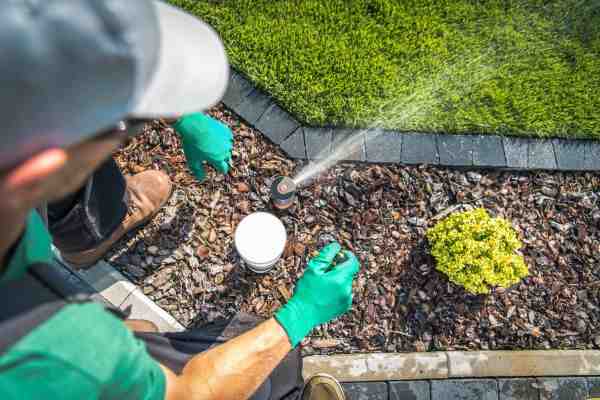



Why Your Lawn Deserves Better Than Broken Sprinkler Heads
Sprinkler head replacement is one of the most common and cost-effective DIY irrigation repairs that can transform your patchy, struggling lawn into the lush green space you’ve always wanted.
Quick Answer for Sprinkler Head Replacement:
- When to replace: Visible cracks, water geysers, heads won’t pop up/retract, uneven spray patterns
- Tools needed: New sprinkler head, digging trowel, adjustment tool, Teflon tape
- Basic steps: Turn off water → dig around head → unscrew old head → flush line → install new head → test
- Cost: $3-$20 for DIY parts, $75-$250+ for professional service
- Time required: About 20 minutes per head
You’ve likely seen the signs of an irrigation system needing attention: sprinklers running in the rain, brown patches, puddles around broken heads, or a climbing water bill despite a thirsty-looking lawn.
The good news is that replacing a broken sprinkler head is a quick, 20-minute fix you can do with basic tools. This simple repair can save you money and give your lawn the healthy, even coverage it craves, even in Cape Cod’s sandy soil.
A single broken head can waste up to 60 gallons of water per minute if it’s completely damaged. This harms your wallet, water conservation efforts, and your lawn by creating overwatered and underwatered spots.
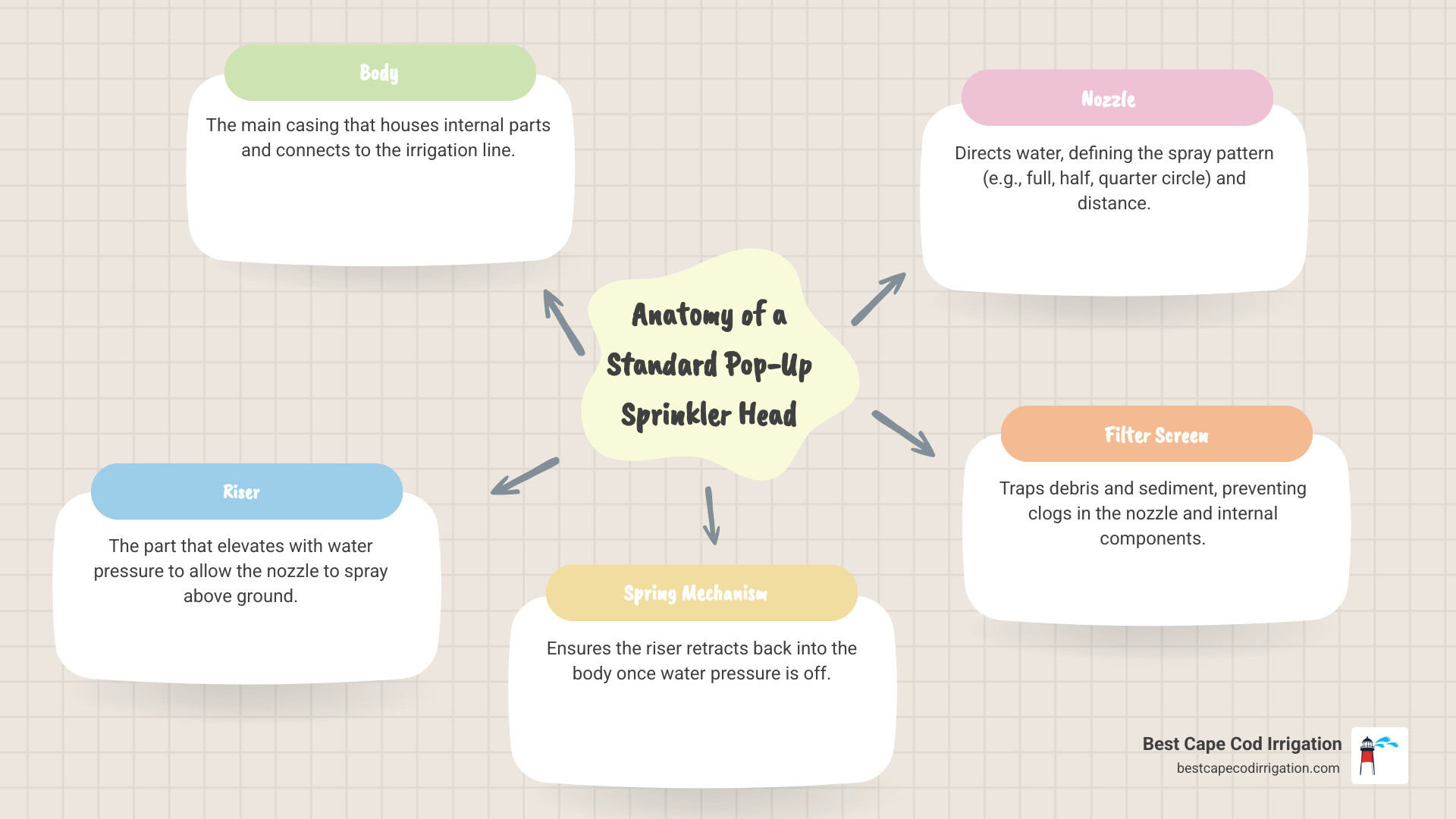
Basic sprinkler head replacement terms:
Spotting the Culprit: 7 Signs Your Sprinkler Head Needs Replacing
A broken sprinkler head tells a dramatic story, from a subtle brown patch to a mini water volcano. Catching these problems early is key to a successful sprinkler head replacement, preventing a high water bill and a damaged lawn.
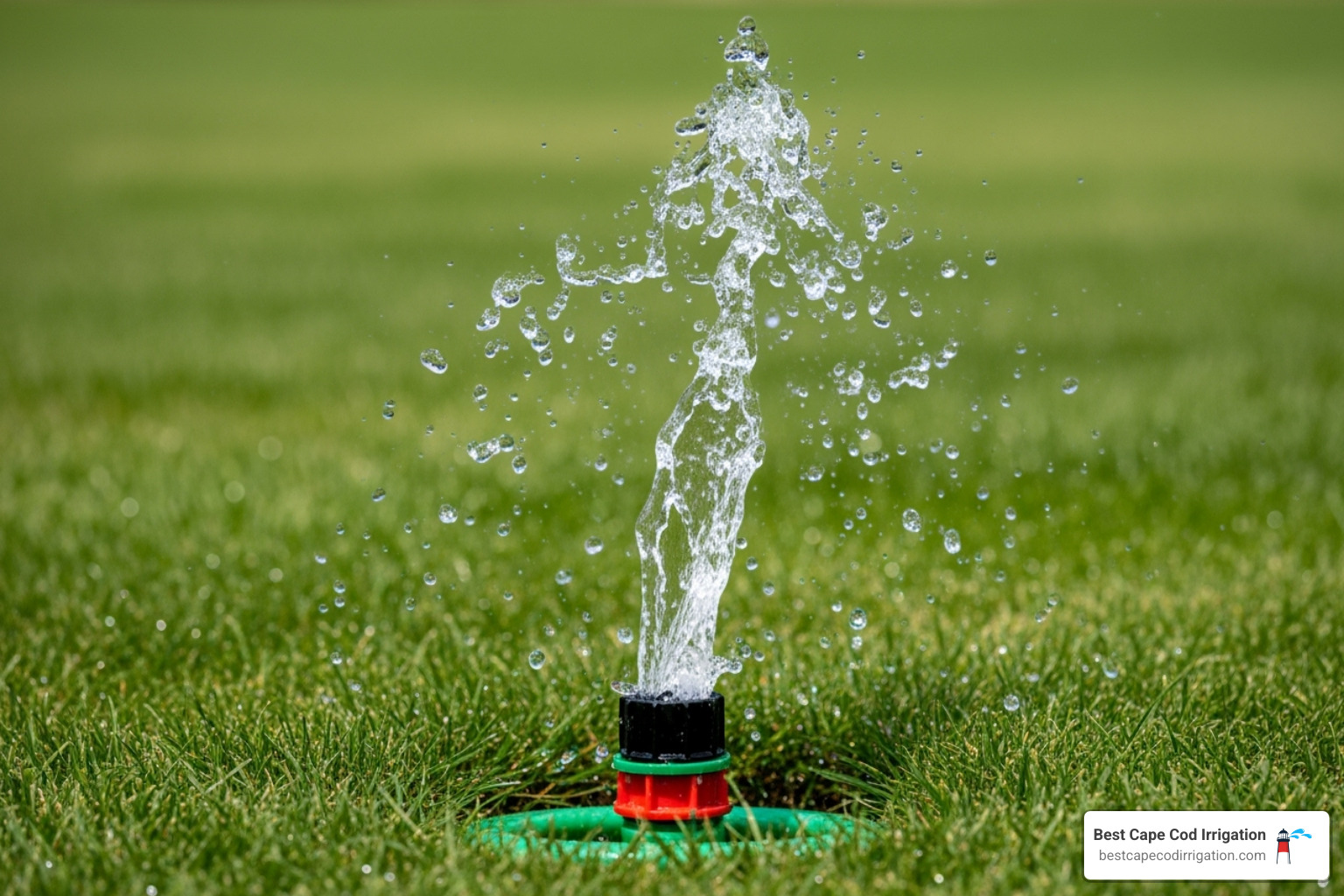
Visible damage is the most obvious red flag. Lawnmowers, foot traffic, or vehicles can cause cracks, chips, or a completely broken top.
The most dramatic sign? A water geyser shooting skyward indicates a completely compromised head, wasting up to 60 gallons per minute. This is expensive and creates a waterlogged mess that harms your lawn.
Puddles forming at the base of a sprinkler head indicate leaks from cracked casings, damaged seals, or loose connections, leading to overwatering and a higher water bill.
Heads that won’t pop up are often jammed with sand and debris, a common issue in Cape Cod’s soil. The internal spring may also be worn out, or the riser could be scratched, preventing movement.
On the flip side, heads that won’t retract after watering become tripping hazards and are vulnerable to lawnmowers. This usually signals internal grit or a worn-out spring.
Uneven or weak spray patterns create dry and swampy patches. This can be caused by a clogged nozzle, damaged internal parts, or pressure issues. A healthy system provides uniform coverage.
The most straightforward sign? No water spraying out at all means the head is likely clogged, disconnected, or completely broken.
Ignoring these warning signs leads to water waste, poor lawn health, and potentially more expensive repairs. Catching them early makes sprinkler head replacement a simple DIY project that can save you money and restore your lawn’s health. For more complex leak issues throughout your system, you can learn more about sprinkler system leak repair.
Choosing the Right Replacement: A Guide to Sprinkler Head Types
Once you’ve spotted the problem, choosing the right type is the next step in sprinkler head replacement. You can’t just grab any head from the hardware store; it’s like replacing a car part.
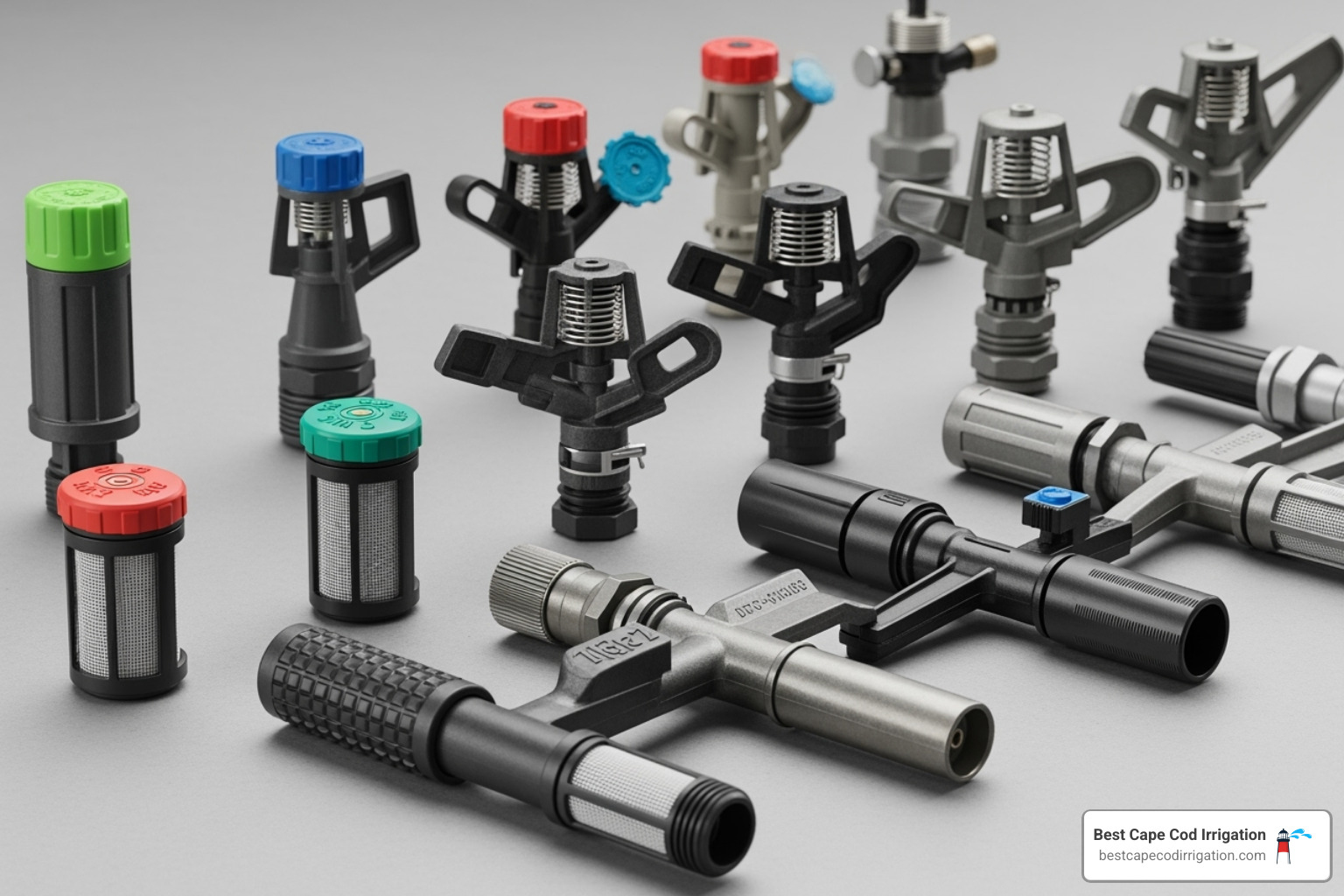
The key is matching your replacement to the existing system. Different heads have different precipitation rates (how fast they apply water). Mixing types in one zone leads to uneven watering, creating swampy and dry spots.
Here’s what you need to know about the three main types you’ll encounter:
| Sprinkler Head Type | Coverage Area | Best Use | Average Water Flow |
|---|---|---|---|
| Pop-Up Spray | Small to Medium (5-15 ft radius) | Smaller lawns, shrubs, irregularly shaped areas, precise watering | High (often 1-4 GPM per head) |
| Rotor (Gear-Driven) | Medium to Large (15-50+ ft radius) | Larger lawns, uniform watering over wide areas, ideal for water conservation | Medium (often 0.5-2 GPM per head) |
| Impact | Large (20-60+ ft radius) | Very large areas, athletic fields, agricultural use, durable | High (often 2-10+ GPM per head) |
Pop-up spray heads are the workhorses of most Cape Cod residential systems. They sit flush with the lawn and pop up to create a fan-shaped spray. They are ideal for smaller lawns, shrubs, and irregularly shaped areas.
Rotor heads rotate slowly, delivering a single stream of water. They apply water more gradually, which improves absorption and conserves water, making them ideal for larger lawns.
Impact sprinklers are the classic “tick-tick-tick” sprinklers. Though less common in residential systems today, they are durable and can cover very large areas like athletic fields.
The golden rule? Head-to-head coverage with matching types in each zone. This ensures even water distribution and prevents frustrating brown spots.
How to identify the correct replacement sprinkler head
Your old sprinkler head holds all the clues for finding the right replacement. First, match the existing type: spray, rotor, or impact. Most heads have the manufacturer, model number, spray pattern (e.g., 360°, 180°, 90°), and spray distance printed on the top or side.
Also, check the thread size (usually ½-inch or ¾-inch) and the pop-up height (e.g., 2-inch for low groundcover, 6-inch for taller grass). If markings are worn, use location as a clue: corner heads are often quarter-circle, edge heads are half-circle, and heads in the middle are full-circle or rotors.
Replacing the ‘guts’ vs. the entire head
A money-saving trick is to replace just the internal components (the “guts”) instead of the whole head. This is an option only if the outer body is undamaged and you use an identical model for the replacement parts. The components are not interchangeable between models.
The process is often faster and cheaper than a full sprinkler head replacement. However, if the body is cracked or you can’t find matching parts, a complete replacement is the more reliable solution. For detailed guidance on this process, check out this Expert Guide: Replacing Sprinkler Guts.
The Ultimate DIY Sprinkler Head Replacement Guide
Sprinkler head replacement is a satisfying DIY project. This step-by-step guide will walk you through the process, even if you’re a beginner. Most homeowners find the process surprisingly straightforward.
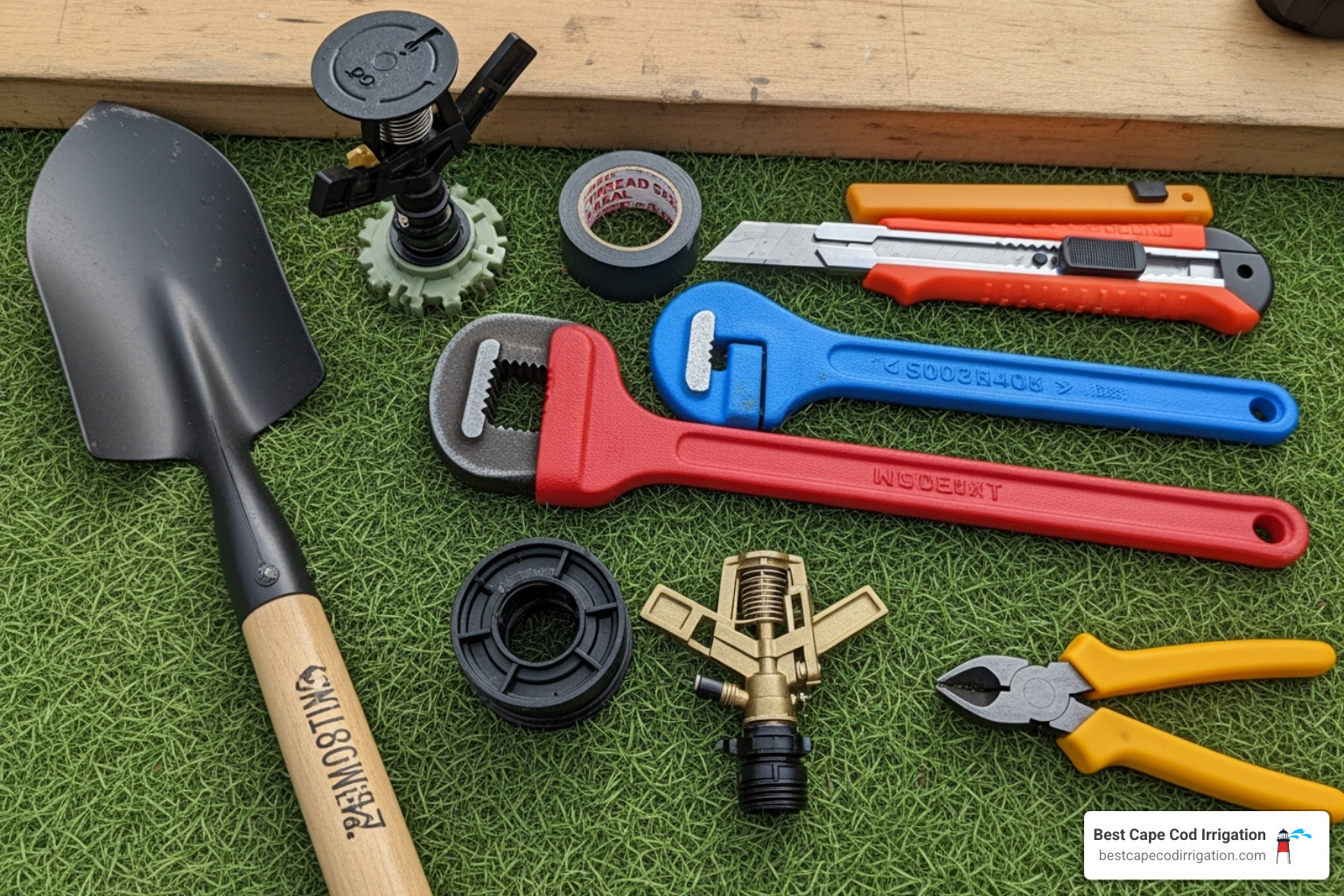
Step 1: Gather Tools for your sprinkler head replacement
Gather all your tools before you begin to avoid interruptions. You’ll need your new sprinkler head (matching the old one’s type, pattern, and distance), a digging trowel or small shovel, a sprinkler adjustment tool (or flathead screwdriver), and Teflon tape for a watertight seal. A bucket or plastic sheet is also helpful for holding the excavated soil.
Step 2: Dig, Remove, and Flush
This step requires some patience but is straightforward.
Turn off your water supply first. Locate the main irrigation shut-off or the specific zone valve and turn it off completely to avoid getting soaked.
Cut the sod in a circle about 8 inches around the head, keeping it in one piece so you can easily replace it later.
Dig gently around the head to expose the riser pipe connection, usually 2 to 8 inches deep. Be careful not to damage other pipes.
Unscrew the old head counter-clockwise, holding the riser steady. Use pliers if it’s stubborn. Check the riser for damage and replace it if necessary.
Crucially, turn the water on briefly (for about 30 seconds) to flush any sand or dirt from the line. This prevents clogging your new head.
Step 3: Install, Test, and Adjust
Now it’s time to install the new head.
Wrap Teflon tape clockwise around the riser threads (2-3 wraps) to ensure a leak-free seal.
Thread the new head on clockwise and hand-tighten until snug. Do not over-tighten, as this can crack the head or strip the threads. Ensure the head is level with the ground.
Turn the water back on slowly and check for leaks at the base. If it’s more than a tiny drip, adjust the connection.
Now for the fun part – let that new head run for a few minutes and watch it work! Use your adjustment tool to fine-tune the spray pattern and direction according to your lawn’s needs.
Backfill the hole with soil, compacting it gently. Replace the sod, press it down, and water the area to help it settle.
Congratulations! You’ve completed a successful sprinkler head replacement.
The Bottom Line: Costs and When to Call a Professional
Sprinkler head replacement is a home maintenance task where DIY can save you money, but sometimes calling a professional is the smarter move.
For a DIY replacement, a new sprinkler head costs between $3 and $20, depending on the type. Basic pop-up heads are cheaper, while advanced rotor heads cost more.
Professional sprinkler head replacement services typically range from $75 to $250+ per head. Important note: these are average costs based on internet data and may not reflect actual service prices. The final cost depends on the head type, quantity, and accessibility. A head buried under tree roots will cost more in labor than one in an open lawn.
However, a broken head can sometimes signal a larger system problem. Multiple broken heads across different zones could mean you have low water pressure issues, a faulty valve, or problems with your main irrigation line. When dealing with suspected pipe leaks or complex controller problems, it’s time to call a professional.
If you hit a snag during a DIY attempt, like a stuck head, it’s better to call for help than to risk damaging your system.
For complex issues or system-wide problems, the 25+ years of regional expertise from Best Cape Cod Irrigation ensures a professional and lasting solution. We know Cape Cod’s unique soil conditions and weather patterns. Sometimes that local knowledge makes all the difference between a quick fix and a long-term solution.
The bottom line? Simple sprinkler head replacement is doable for most homeowners. But when things get complicated, don’t hesitate to call the experts. For more serious issues like irrigation pipe leak repair, professional help can save you time, money, and a lot of frustration in the long run.
Frequently Asked Questions about Sprinkler Head Care
Over our 25+ years serving Cape Cod, we’ve answered many questions about sprinkler care. Here are some of the most common.
How can I prevent damage to my sprinkler heads?
Prevention is the best way to avoid sprinkler head replacement. A little care goes a long way.
- Mark heads before mowing. Use small flags to make pop-up heads visible and avoid lawnmower damage.
- Proper winterization is crucial in Cape Cod. Freezing water expands and can burst heads. Ensure your system is fully drained or blown out before winter.
- Clean nozzles regularly. Sand, dirt, and mineral deposits can clog nozzles and disrupt spray patterns. A quick rinse every few months helps.
- Install heads at the correct height. Heads that are too high are a hazard and can be damaged; too low and they get buried. Pop-up heads should sit just above soil level.
- Perform regular system checks. Periodically run your system and walk the yard to spot weak sprays, puddles, or misaligned heads. Catching problems early saves trouble later.
For homeowners who prefer a hands-off approach, Explore our residential sprinkler system maintenance plans.
What happens if I install the wrong type of sprinkler head?
Installing the wrong sprinkler head leads to problems for your lawn and water bill. The biggest issue is mismatched precipitation rates. Spray heads and rotor heads apply water at different speeds. Mixing them in the same zone means some areas get drenched while others stay dry.
This causes uneven watering, creating a patchwork of soggy, fungus-prone spots and dry, stressed patches. You’ll end up wasting water by running the system longer to compensate for dry spots, which only over-waters other areas. This damages your turf, making it susceptible to pests, diseases, and weeds.
The takeaway? Always match the type, spray pattern, and precipitation rate of existing heads in each zone.
What is the difference between replacing the entire sprinkler head versus just the ‘guts’?
Understanding the difference between replacing the ‘guts’ versus the entire head can save you time and money during sprinkler head replacement.
Replacing just the ‘guts’ involves swapping only the internal moving parts (spring, seals, piston). It’s faster, cheaper, and avoids digging up the entire head. This method only works if the outer body is undamaged and you use parts from the exact same model, as components are not interchangeable.
Replacing the entire head means installing a brand-new unit. This is necessary when the outer casing is cracked or you can’t find matching guts. A full replacement is a comprehensive fix for any damage, giving you a fresh start with all new components. While it takes a bit more effort, a full replacement is often the most reliable long-term solution.
Conclusion: A Healthier Lawn is Just a Replacement Away
Congratulations! You’ve learned how to tackle sprinkler head replacement with confidence, turning brown patches and sputtering sprinklers into a problem of the past.
For just $3 to $20 in parts, you can fix dry spots and achieve a healthier lawn. You can now spot the signs of a failing head, understand the different types, and know why matching them is crucial for water efficiency and lawn health.
With a few simple tools and 20 minutes, you can perform this DIY task, saving up to 60 gallons of water per minute from a single broken head. This benefits both your wallet and water conservation efforts. Improved water efficiency means your lawn gets the even coverage it deserves, without soggy or parched spots.
However, some issues go deeper than a single head. Multiple broken heads, low water pressure, or suspected pipe damage are signs that professional experience is needed.
For complex issues or system-wide problems, the 25+ years of regional expertise from Best Cape Cod Irrigation ensures a professional and lasting solution. We understand Cape Cod’s unique challenges, from sandy soil to salt air. Our custom, eco-friendly systems are designed for local conditions, giving you efficient, worry-free watering.
Whether you tackle the next sprinkler head replacement yourself or call us for the trickier stuff, you’re on your way to a healthier, greener lawn. Your lawn will thank you for it.
For all your irrigation repairs and maintenance needs, contact us today!