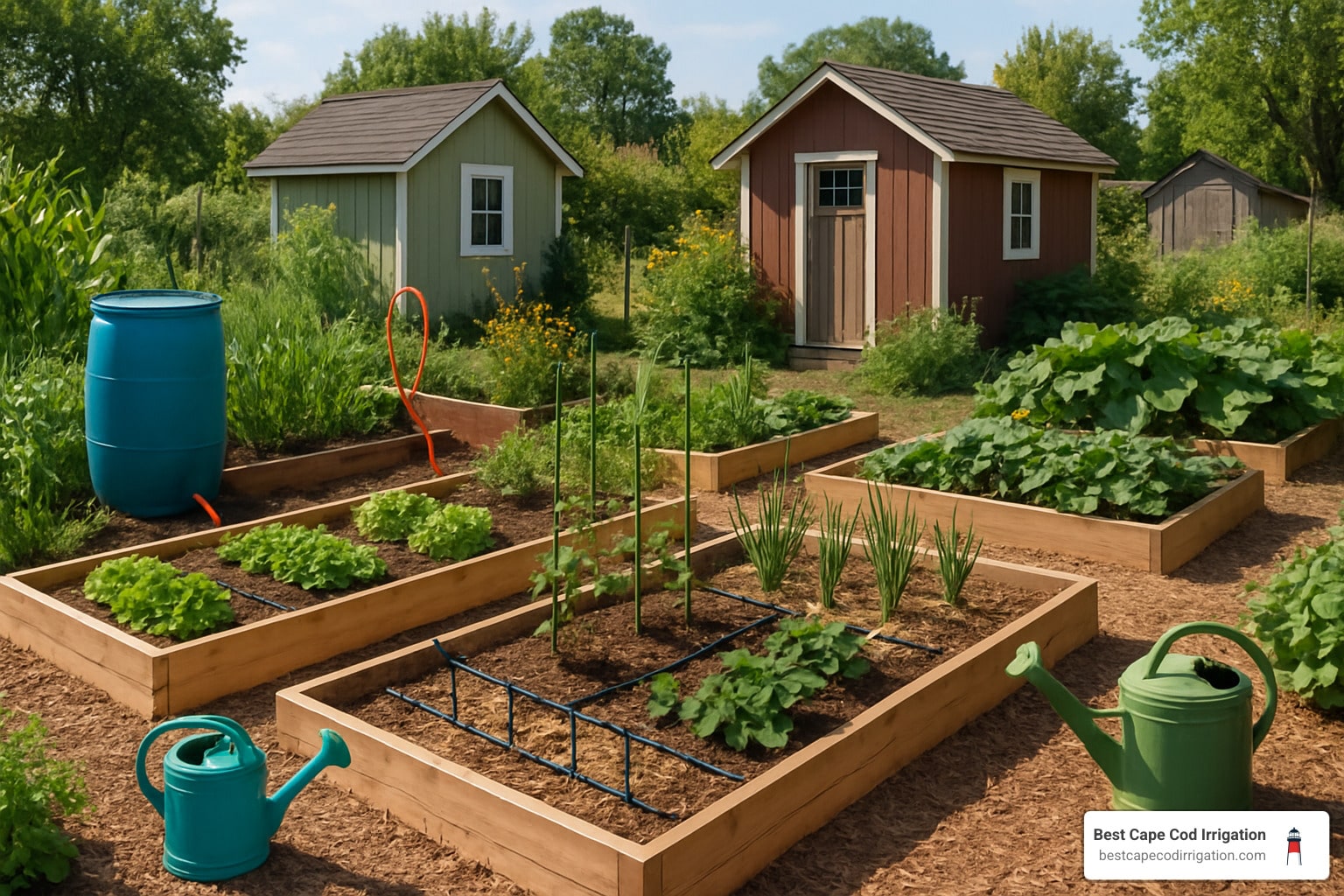



Why Traditional Watering Falls Short for Modern Allotment Gardeners
Allotment watering solutions matter more than ever. Cape Cod’s sandy soils drain fast, hosepipe bans pop up every summer, and many plots sit far from a tap. Hauling buckets is no longer realistic when heat waves can wilt plants in a single afternoon.
Quick-fire options (average internet prices ‑ not Best Cape Cod costs):
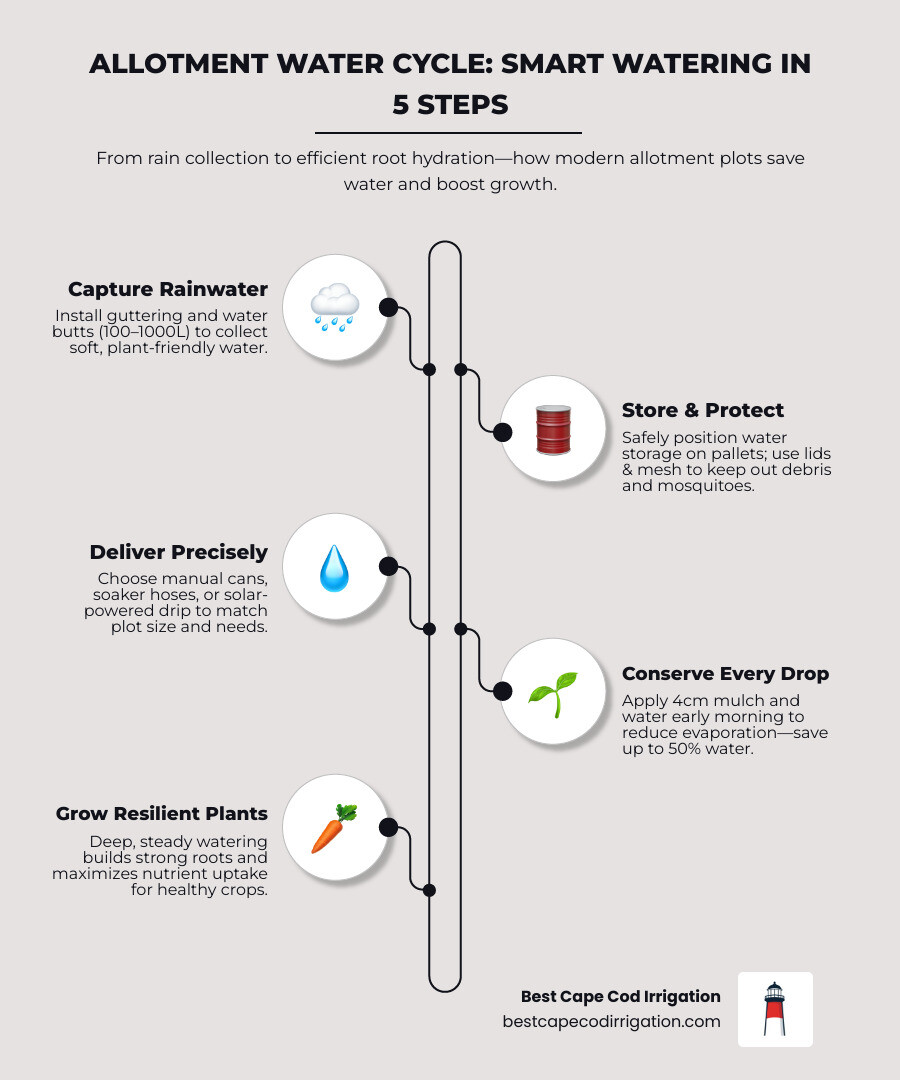
• Rainwater harvesting – water butts 100-1000 L
• Manual – 10 L cans, bucket drip (£5-£30)
• Semi-automatic – soaker hoses, gravity timers (£30-£120)
• Fully automatic – solar or smart drip (£100-£450)
• Water-saving extras – mulch cuts use 40-50 %
Drip irrigation can use 90 % less water than hoses, while harvested rainwater is soft, chlorine-free, and free of charge. With water rates rising and summers swinging between downpours and drought, a planned system pays for itself in peace of mind as much as in lower bills.
Why Water Matters on the Plot
Many issues that look like pests or disease begin with uneven watering. Nutrients move only in water, so dry soil means hungry plants. Classic symptoms include blossom-end rot on tomatoes, woody carrots, and bitter lettuce.
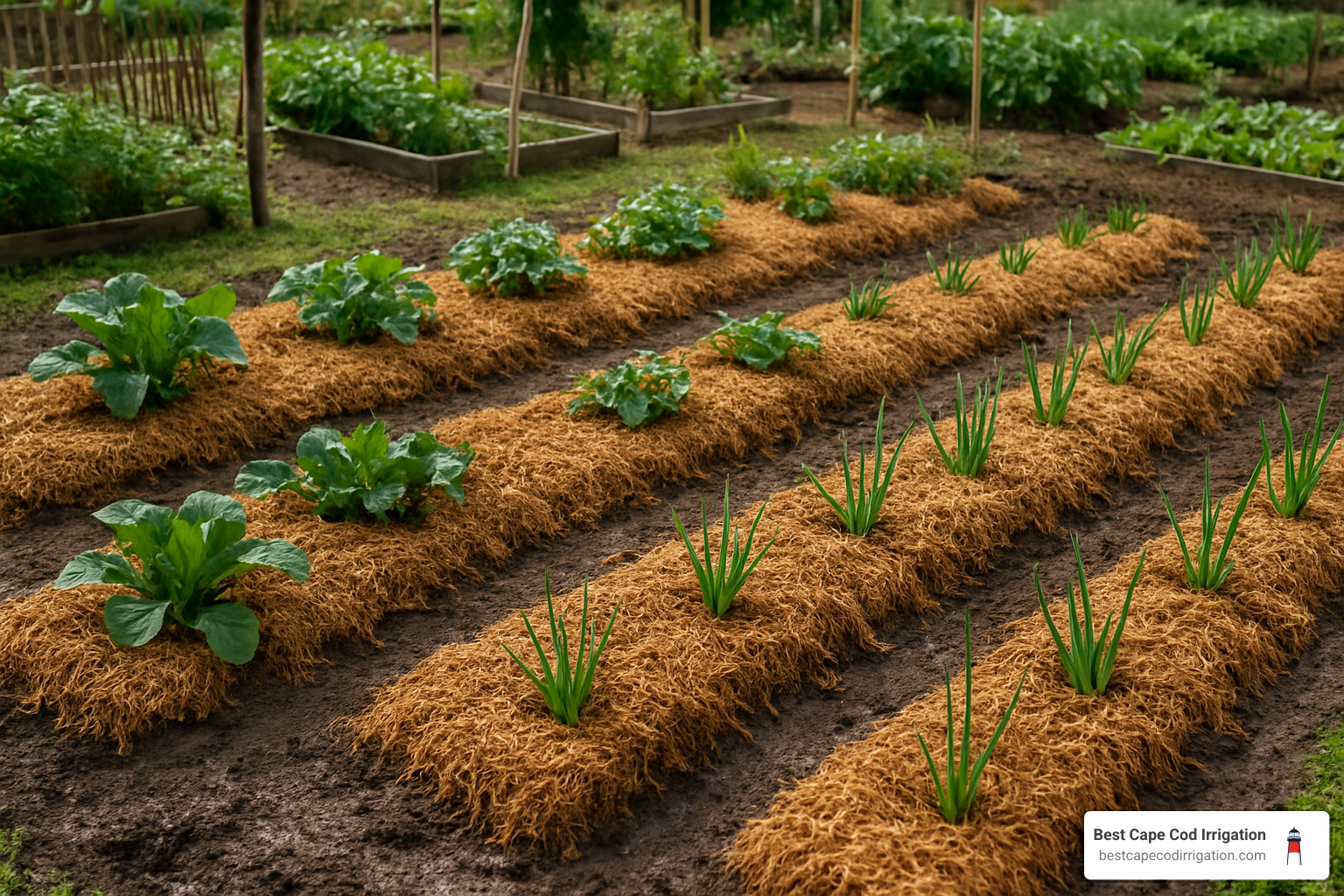
Cape Cod’s sandy ground needs little but frequent top-ups; heavier inland soils prefer deeper, less-frequent drinks. Mulching with 4 cm of straw, chips, or compost routinely saves 40-50 % water and keeps soil cooler.
Time it right: early morning watering lets foliage dry during the day; evening invites slugs and fungus. Two deep soakings per week beat daily sprinkles because they push roots downward, making crops more drought-ready.
More info about irrigation importance
Harvesting & Storing Rain: The Backbone of Allotment Watering Solutions
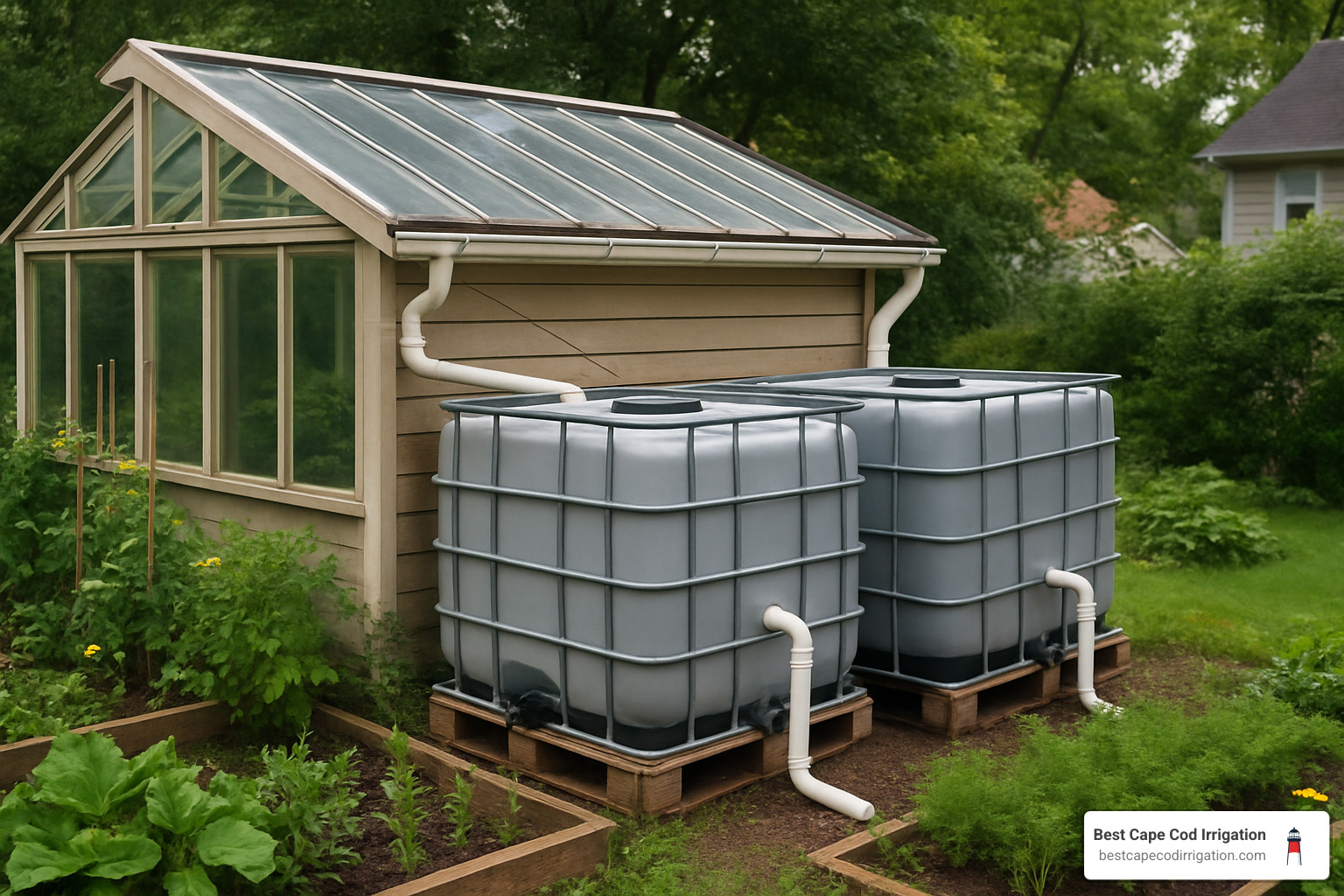
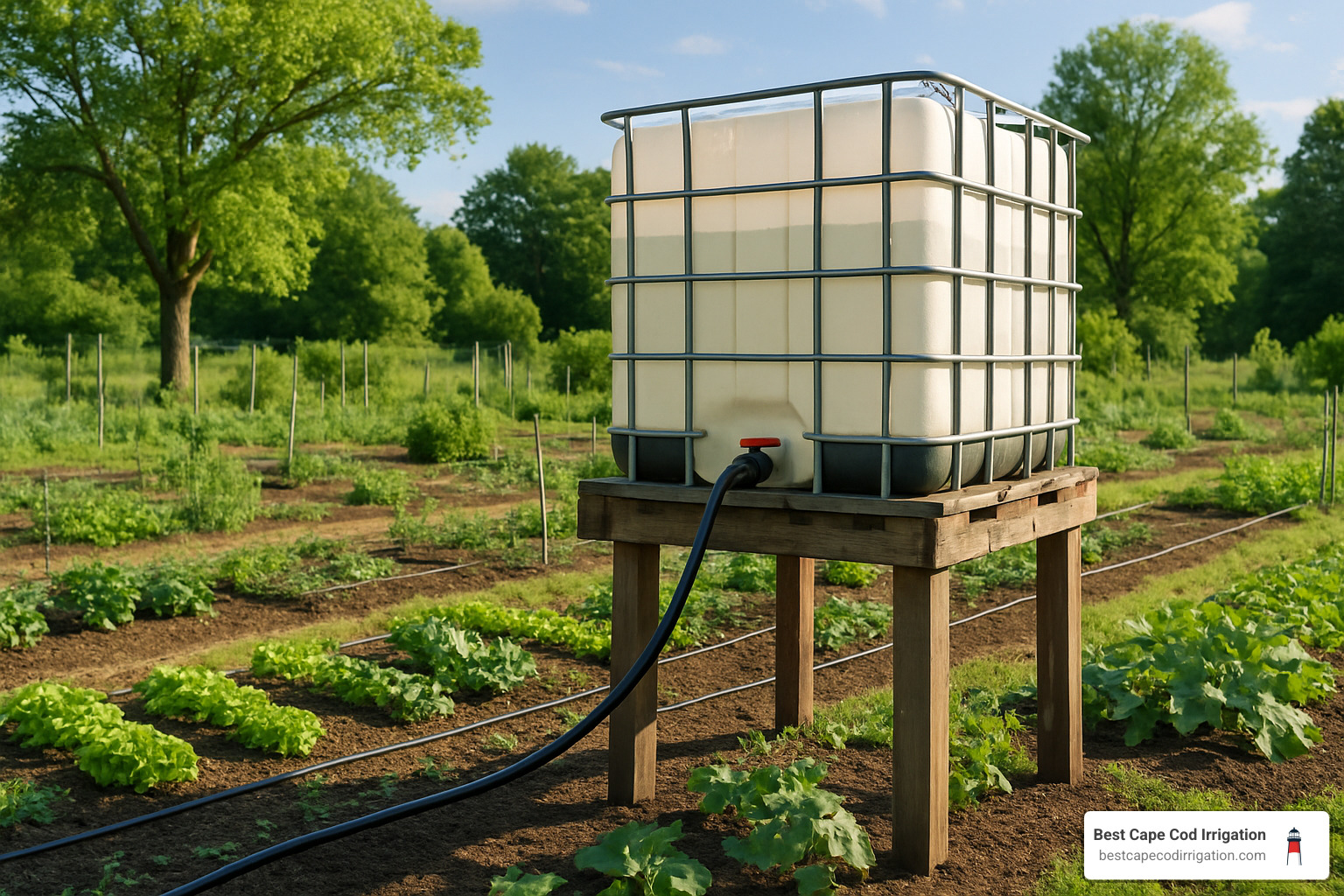
Rainwater is soft, slightly acidic, and free once you install gutters, a first-flush diverter, and storage. A 1000 L IBC can weigh 1100 kg when full, so place big tanks on level, compacted bases and keep lids tight to block mosquitoes and algae.
How Much to Store?
• Small (≤10 beds): 150-300 L barrel
• Medium (10-20 beds): 600-1000 L IBC
• Large (20+ beds): multiple IBCs or underground 2000 L+ tanks
Aim for 2-3 weeks of summer demand. Shade tanks, add an overflow pipe, and scrub annually with dilute bleach. A simple reed float switch protects pumps by cutting power when levels drop.
Epever Solar Charge Controller keeps solar pumps topped up.
Delivering the Wet Stuff: Manual, Semi-Automatic & Automatic Options
Manual
10 L watering cans are ergonomic yet efficient. Use the two-stage method—water, pause, repeat—to let moisture soak in. Bucket drip (a hole in a pail) costs pennies and keeps seedlings alive while you’re at work.
Semi-Automatic
Soaker hoses, Big Drippa kits, or raised-IBC gravity lines cut daily labour in half. Expect £30-£120 for materials (internet averages). They’ll run 24-48 hours unattended—a weekend-away safety net.
Automatic
Solar drip kits such as Irrigatia, or a DIY Arduino plus 12 V pump, water little and often, adding minutes when the sun blazes. Typical parts run £100-£450 online. Moisture or rain sensors fine-tune delivery so nothing is wasted.
Rain Bird Drip Irrigation System Installation
Saving Every Drop: Efficiency Hacks & Common Pitfalls
Mulch remains the single biggest saver. Four centimetres of organic cover can halve evaporation and improve soil over time. Shade cloth (30 %) keeps lettuce crisp and water use low during scorchers.
Common mistakes:
- Little-and-often watering = shallow roots.
- Overhead spraying loses up to 50 % to wind and evaporation.
- Ignoring soil moisture—use the finger test 3 inches down.
- Midday watering evaporates fast and can shock plants.
Frequently Asked Questions about Allotment Watering Solutions
How much water does a 10 m × 5 m plot need?
Roughly 300-600 L per hot week (1-2 inches), but soil, crop, and rainfall change everything. Check soil at 3 inches; if it’s dry, water.
Can I use greywater on food crops?
Yes—if it’s mild soap only and used fresh. Apply to fruiting crops (tomatoes, squash), never to leafy greens or root veg. Filter through sand and skip detergents with bleach or antibacterial agents.
Cheapest holiday auto-watering?
For up to a week, 2-L bottle drippers cost nothing. For longer, a 50 L gravity reservoir plus timer and drip line (£30-£50 average online) covers 1-2 weeks. Solar drip kits give the best hands-off reliability for £100 +.
Stopping algae in tanks?
Keep light out with opaque barrels, cover openings, and drop in barley straw or a copper strip to suppress growth.
Winterizing?
Drain pipes, blow out drippers, store electronics indoors, and leave space for ice expansion in big tanks.
Conclusion
Whether you’re gardening behind a Hyannis cottage or tending rows in Barnstable, the recipe is the same: collect rain, store it safely, deliver it efficiently, and save every drop with mulch and timing. Start simple—perhaps just a barrel and drip hose—and upgrade toward solar automation as budget allows.
Community rain-banks, shared bulk IBC buys, and exchanged know-how often cut personal costs by 30-40 %. Keep a spring clean-out and a fall drain-down on your calendar and even the simplest setup will last for years.
Best Cape Cod Irrigation has spent 25 years tailoring smart, eco-friendly systems to local conditions. Ready to future-proof your plot? Explore more at our guide to smart irrigation solutions.